

The Highlights of Visiting Ethnic Minority Villages in Ha Giang
Ha Giang has earned its status as a magnet for global travelers, primarily drawing them in with some of the most awe-inspiring mountain landscapes in Southeast Asia. However, the province offers another equally compelling attraction: its rich tapestry of ethnic minority groups.
Home to around 17 distinct ethnic communities , Ha Giang is a dynamic melting pot of diversity, where a truly unique cultural experience and an escape from the everyday await. These communities enchant visitors with their vibrant traditional attire , distinctive housing styles—from stilt homes to structures made of clay, wood, or natural stone —and an array of artisanal skills, ranging from fishing and hunting to weaving and farming.
One of the most enriching ways to delve into the lives and cultures of these communities is by visiting the ethnic villages in Ha Giang. Here, you’ll encounter ways of life that have remained largely unchanged for generations, making you feel as though you’ve stepped into a living time capsule. Experiencing and learning from these unique cultures is undoubtedly one of the most rewarding aspects of a visit to Ha Giang.
The Cultural Tapestry of Ha Giang
The incredible cultural diversity is what sets Ha Giang apart from other destinations. These villages are not museums; they are thriving communities where traditional life unfolds daily.
-
Architectural Heritage: Visitors can observe traditional structures. For example, the Tay people often live in stilt homes, while the Hmong and Lo Lo people build sturdy structures made of clay or natural stone.
-
Vibrant Attire: Each community showcases its identity through vibrant traditional attire.
-
Indigenous Languages: Many of these communities even have their own indigenous languages.
Top 10 Must Visit Ethnic Villages in Ha Giang
To truly appreciate the deep cultural roots of this region, you must venture into the heart of these communities. Here are the top 10 ethnic villages in Ha Giang you should consider visiting.
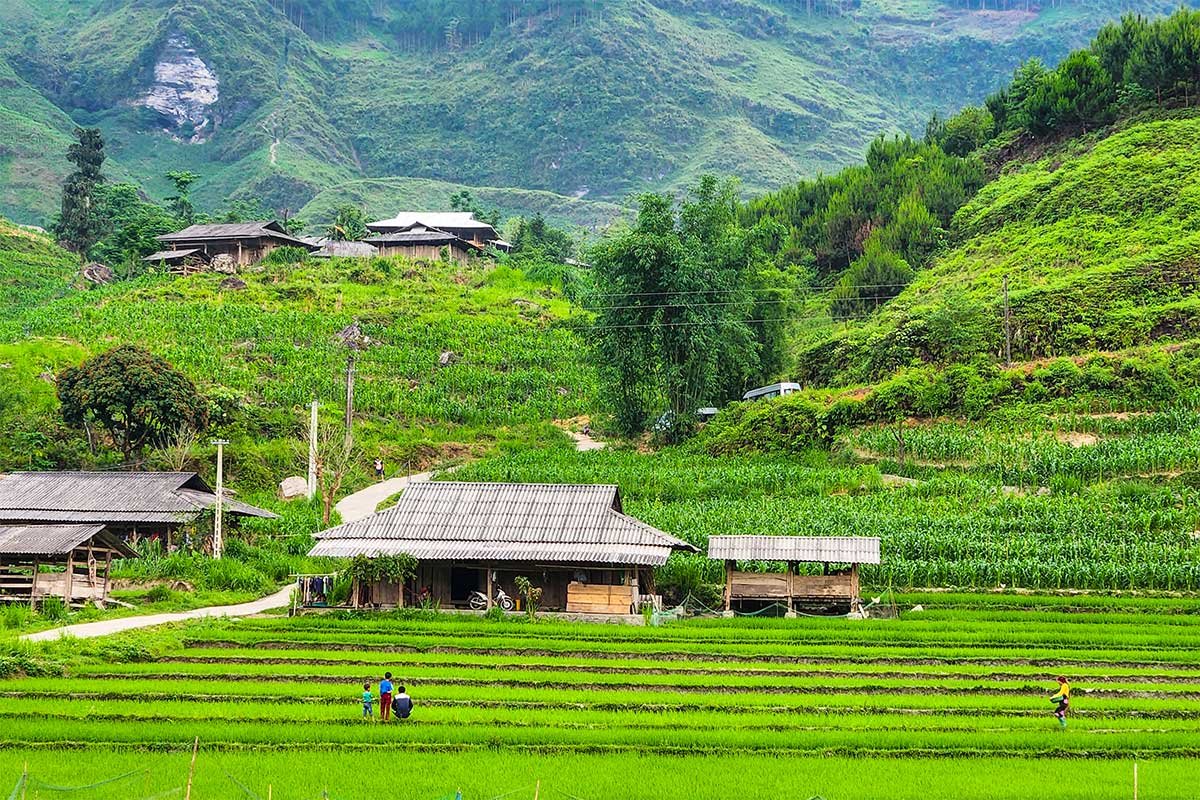
Du Gia Village (Tay)
Though technically a commune encompassing several villages, Du Gia is commonly referred to as a village by locals and visitors alike.
-
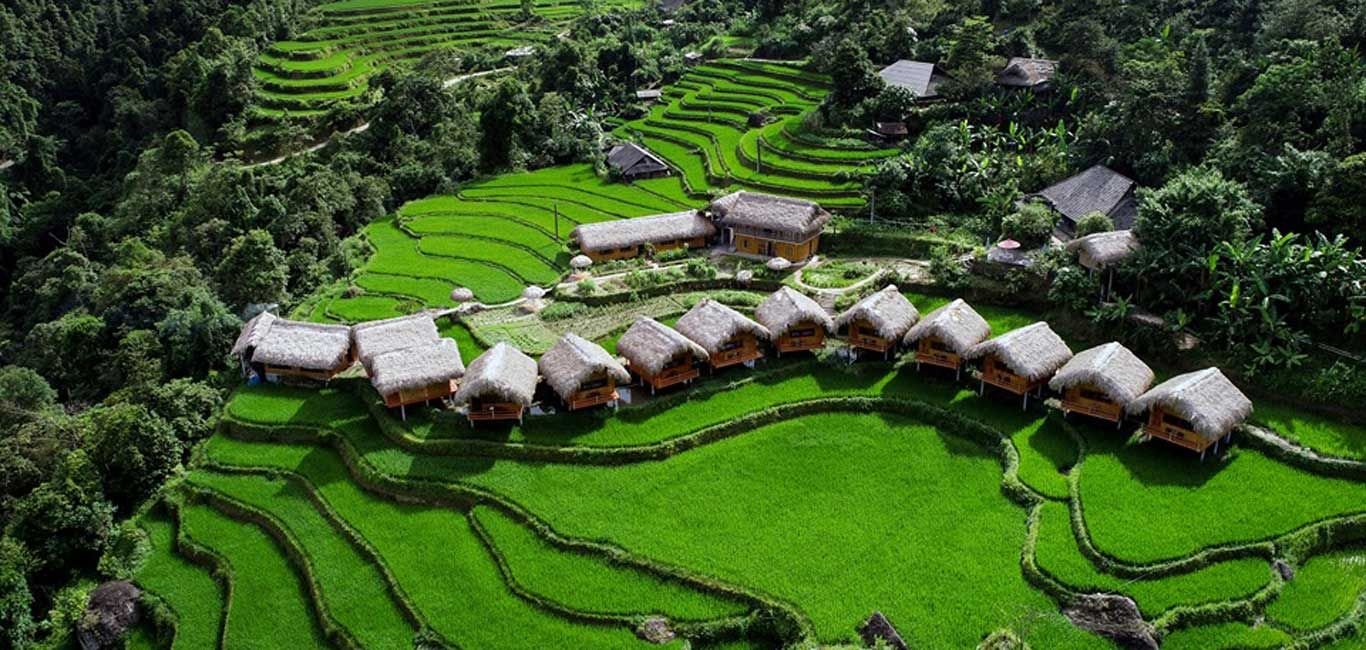
Location & People: Nestled in a lush valley, the area is primarily home to the Tay ethnic group.
-
Scenery & Stay: It is populated by rice fields and traditional stilt houses. Du Gia has multiple homestay options, all offering charming views of the terraced rice fields.
-
Excursion: The village has a nearby waterfall that serves as an excellent excursion.
Thon Tha Village (Tay)
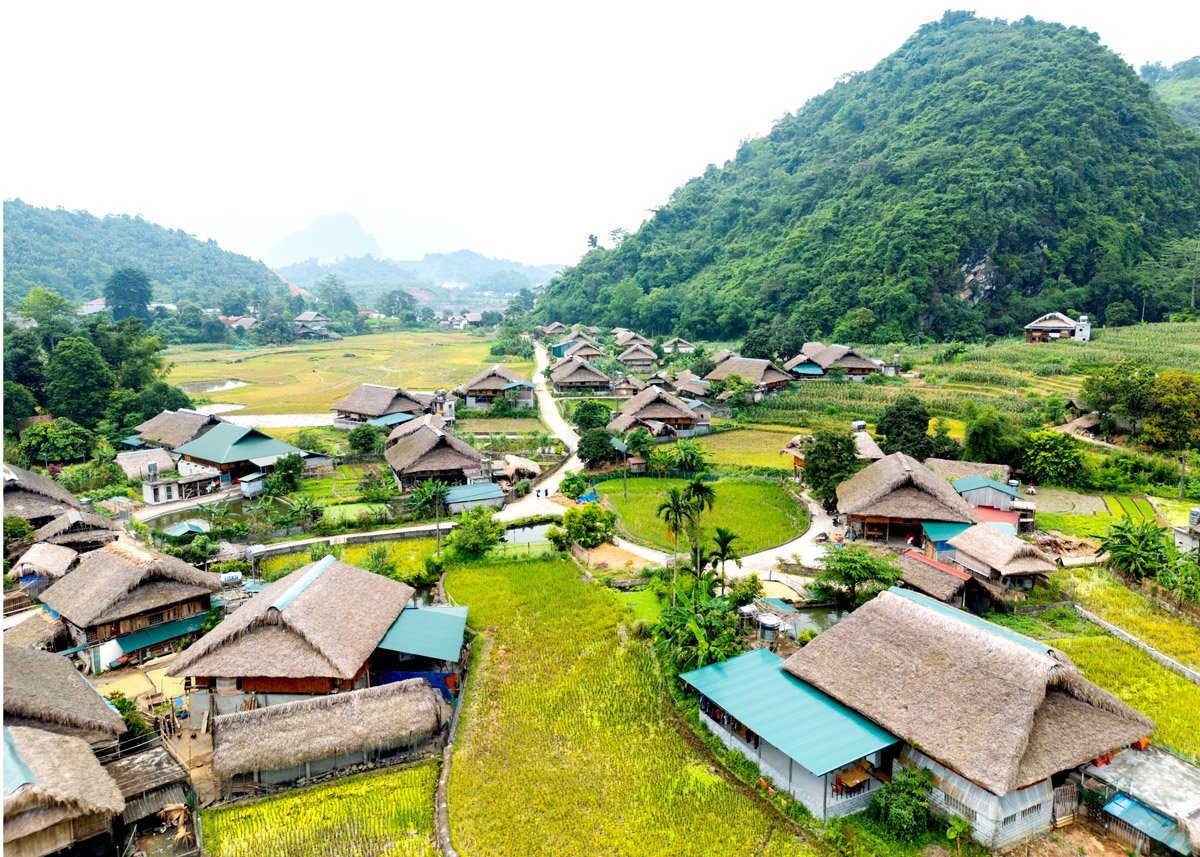
Situated just a few kilometers from Ha Giang city , Thon Tha is an ideal alternative for travelers looking for a more authentic overnight experience.
-
Vibe & Scenery: This tranquil Tay village is filled with stilt houses and surrounded by rolling hills and rice paddies.
-
Activities: Visitors can stroll to viewpoints, embark on longer hikes to local waterfalls, and experience the quietude that permeates this peaceful locale.
Nam Dam Village (Dao)
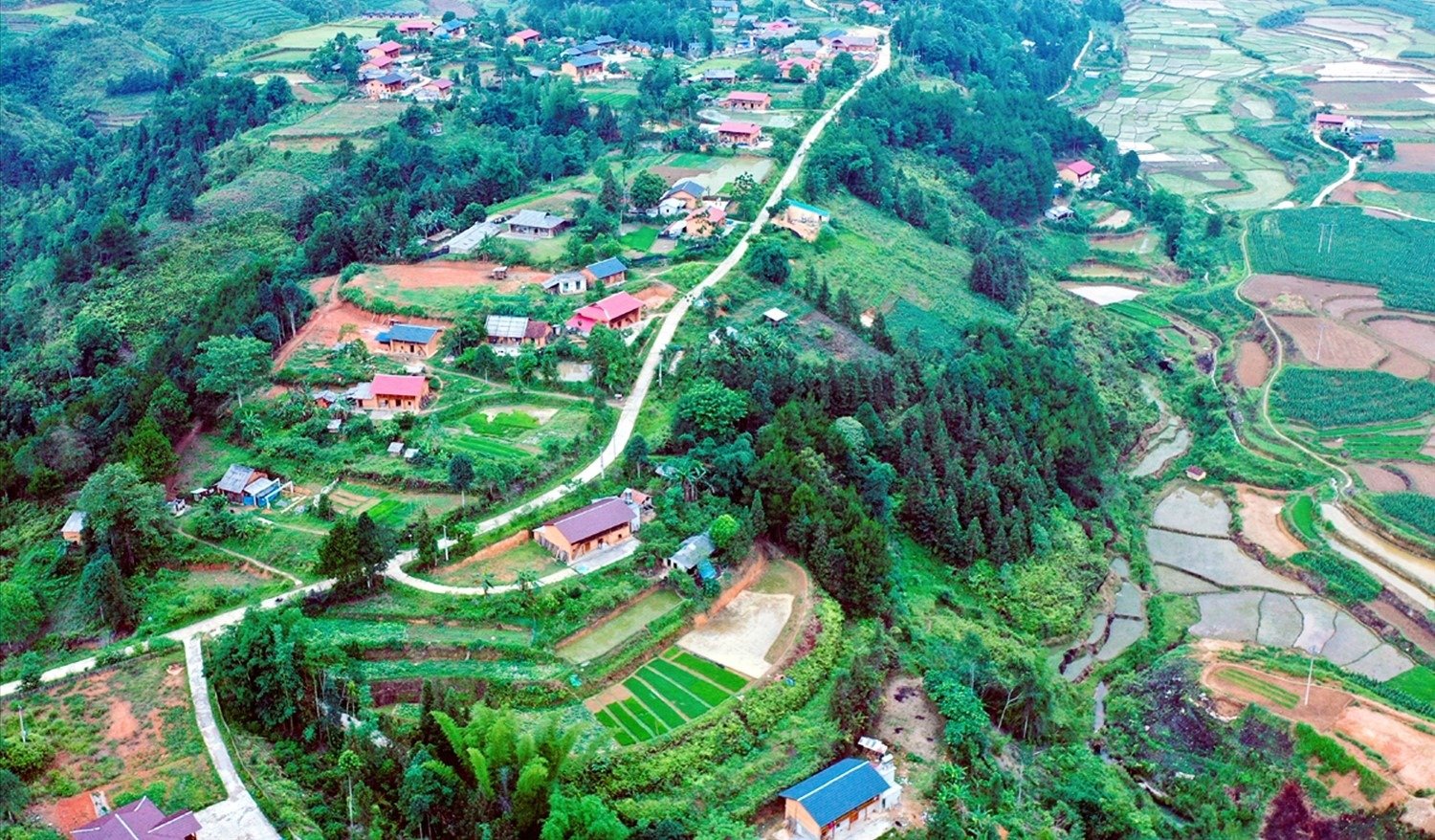
Located near the iconic Quan Ba Heaven Gate Pass and Twin Mountains , Nam Dam Village is predominantly inhabited by the Dao ethnic group.
-
Highlight: The village is renowned for its herbal baths, a must-try experience when visiting.
-
Exploration: The village offers various homestay options, and a local waterfall provides another reason to explore the surrounding area.
Ma Le Village (Giay)
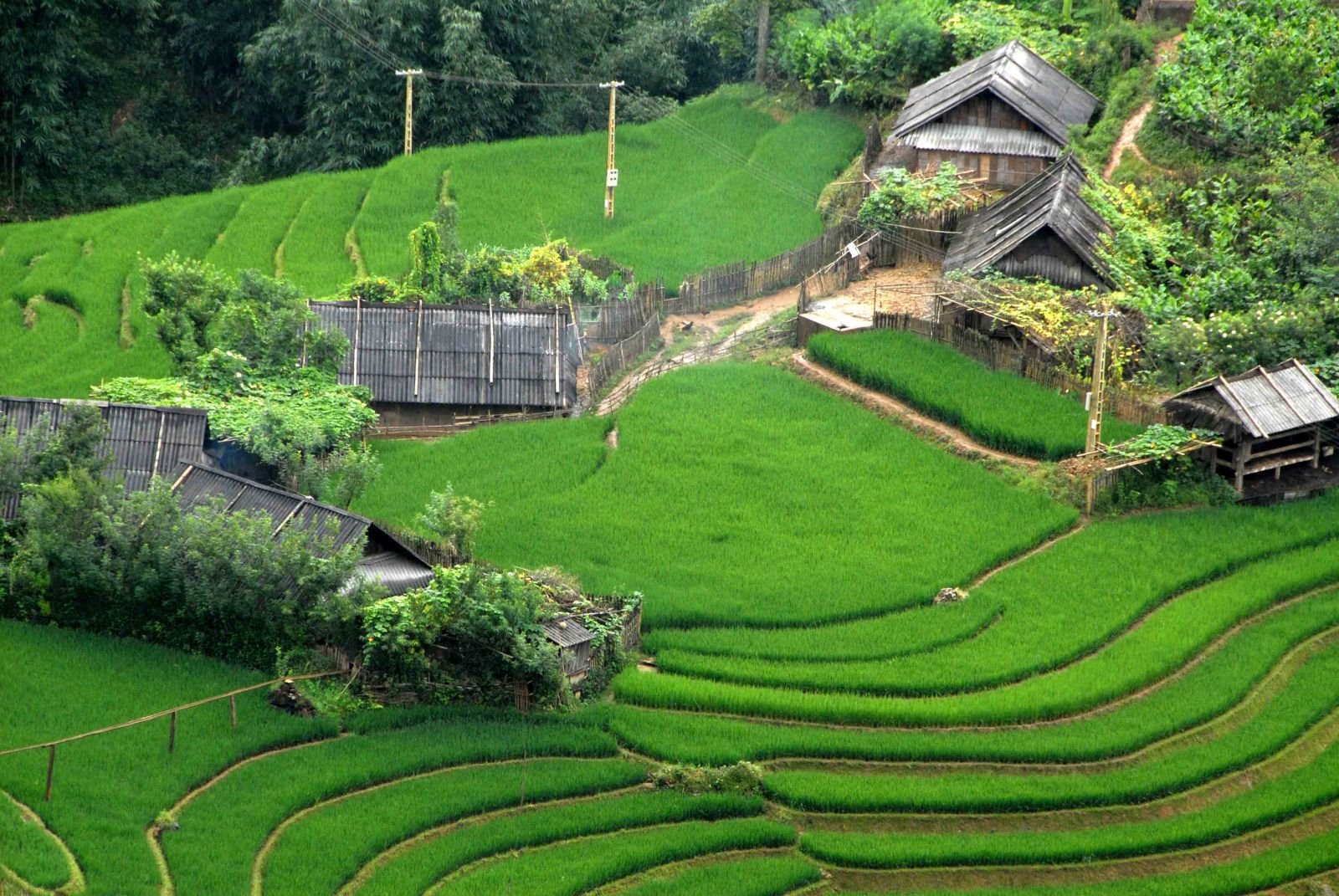
Situated along the road connecting Dong Van and Lung Cu , Ma Le captivates visitors with its traditional yellow clay houses and authentic lifestyle.
-
Architecture: With over 50 households primarily belonging to the Giay ethnic group , many homes are built by their inhabitants, some even exceeding 100 years in age.
-
Immersion: A homestay option allows visitors to fully immerse themselves in the local culture.
Lung Tam Village (Hmong)
This Hmong village, situated in the Quan Ba district , is a hub for traditional brocade weaving.
-
Cultural Preservation: Lung Tam functions as a living museum, preserving the rich cultural heritage of the Hmong people.
-
Process: Visitors can witness the complex weaving process from flax cultivation to the finished brocade, which includes naturally-dyed vibrant colors achieved through unique techniques.
Lo Lo Chai Village (Lo Lo)
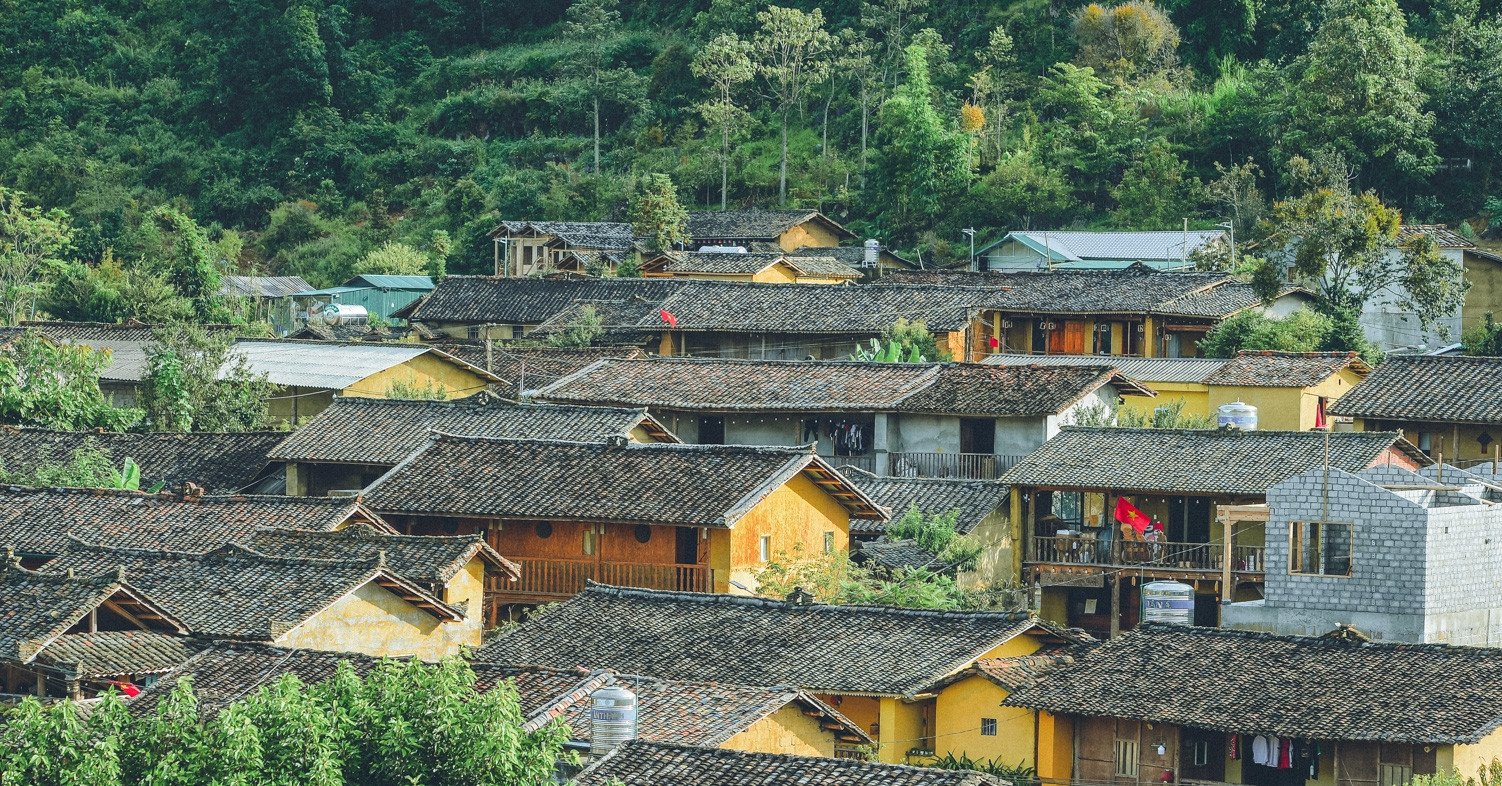
Just 1 km away from the Lung Cu Flagpole near the China border , Lo Lo Chai is home primarily to the Lo Lo ethnic group.
-
Atmosphere: The village enchants with its ancient clay houses, stone fences, and flower-filled landscapes that vary by season.
-
Stay: A few homestays provide an authentic Lo Lo experience, offering a compelling reason to stay overnight.
Lung Cam Village (Hmong)
Nestled in the center of Sung La , Lung Cam is home to three ethnic groups—Mong, Lo Lo, and Han—with the majority being Mong people.
-
Claim to Fame: Famous among Vietnamese for being a film location in the award-winning “Story of Pao”.
-
Scenery: This village offers a picturesque valley setting with time-honored architecture and old-world charm.
Pho Bang Village (Hmong)
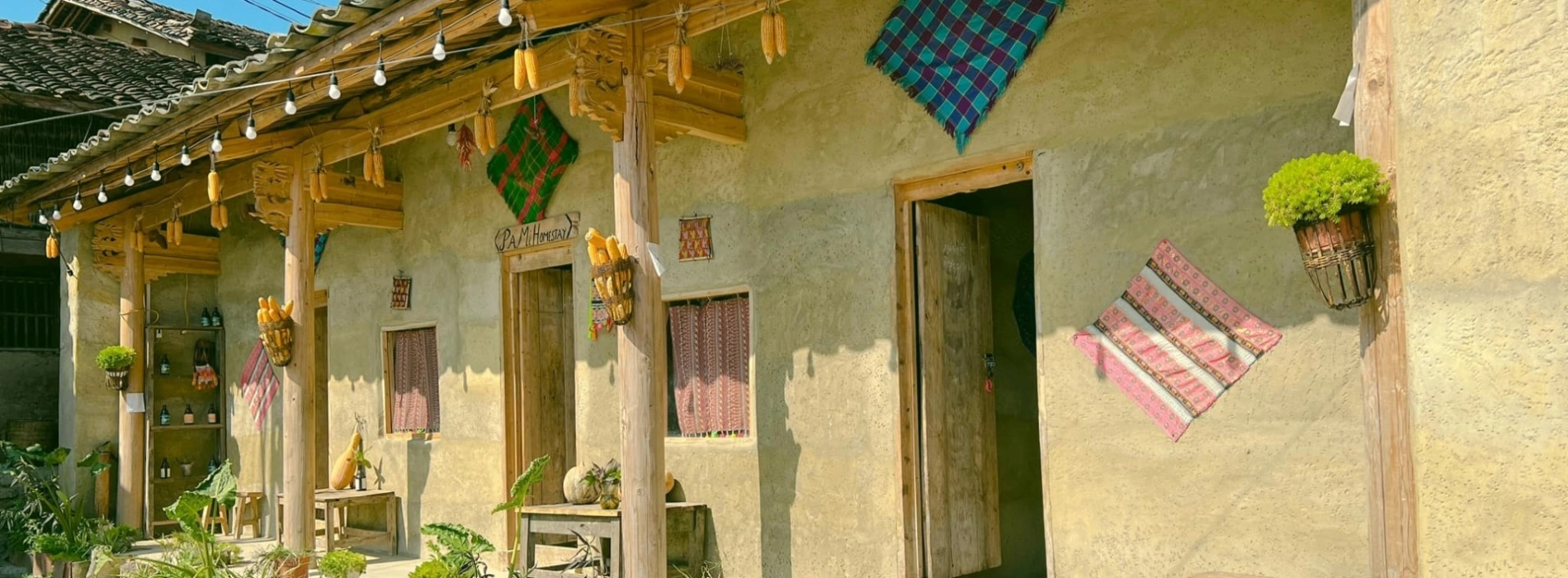
This enchanting town, located off the Ha Giang Loop, seems as if it belongs in a fairy tale.
-
Residents: The houses are primarily inhabited by Hmong people and Chinese descendants.
-
Vibe: The town features clay walls and ancient wooden doors. Though the village lacks modern amenities like restaurants and phone reception, its remote atmosphere adds to its allure.
Lao Xa Village (Hmong)
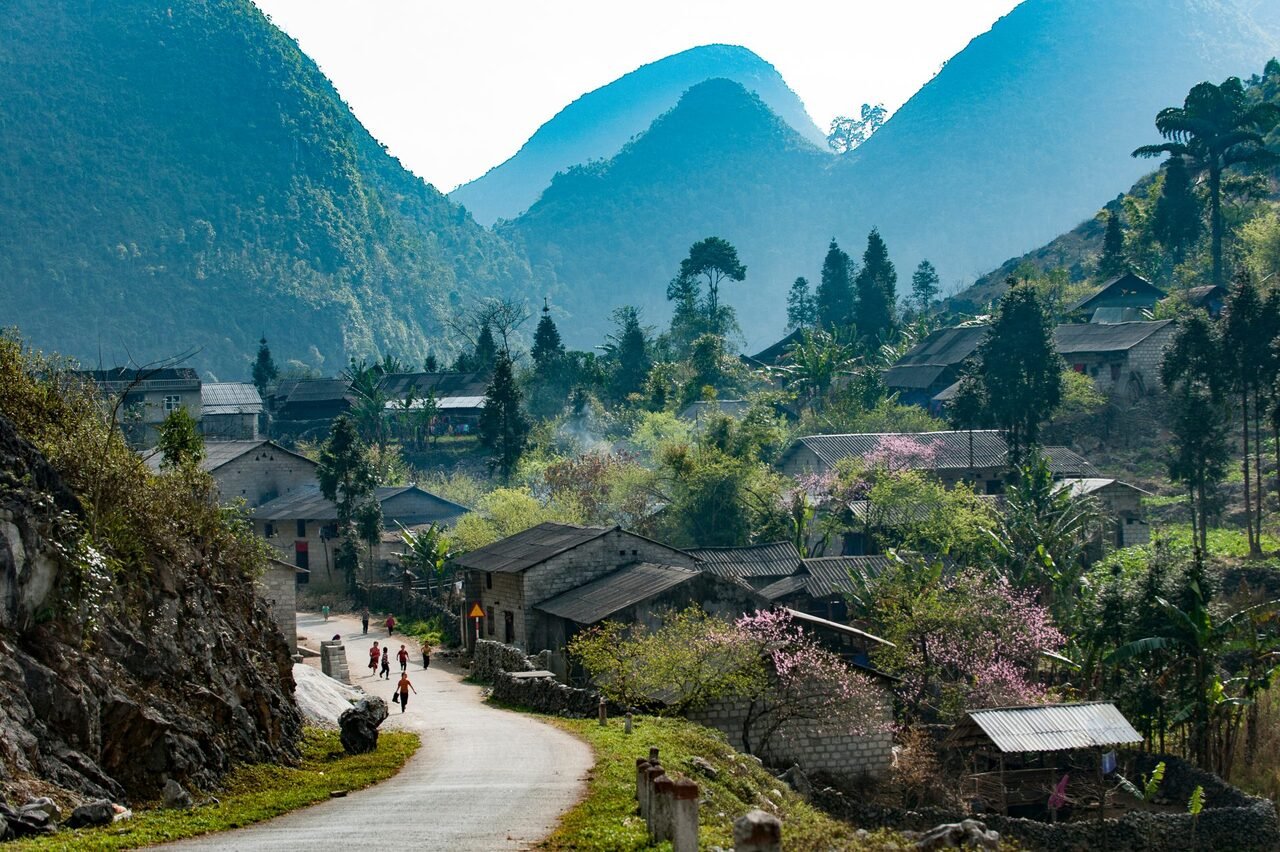
Tucked away amid gentle hills, Lao Xa is populated solely by Hmong people.
-
Livelihood: Residents primarily earn their living through agriculture and traditional silver casting.
-
Experience: The best way to experience the village is to leisurely walk through its streets, observing the daily life that unfolds around you, from barefoot children playing to artisans engrossed in their craft.
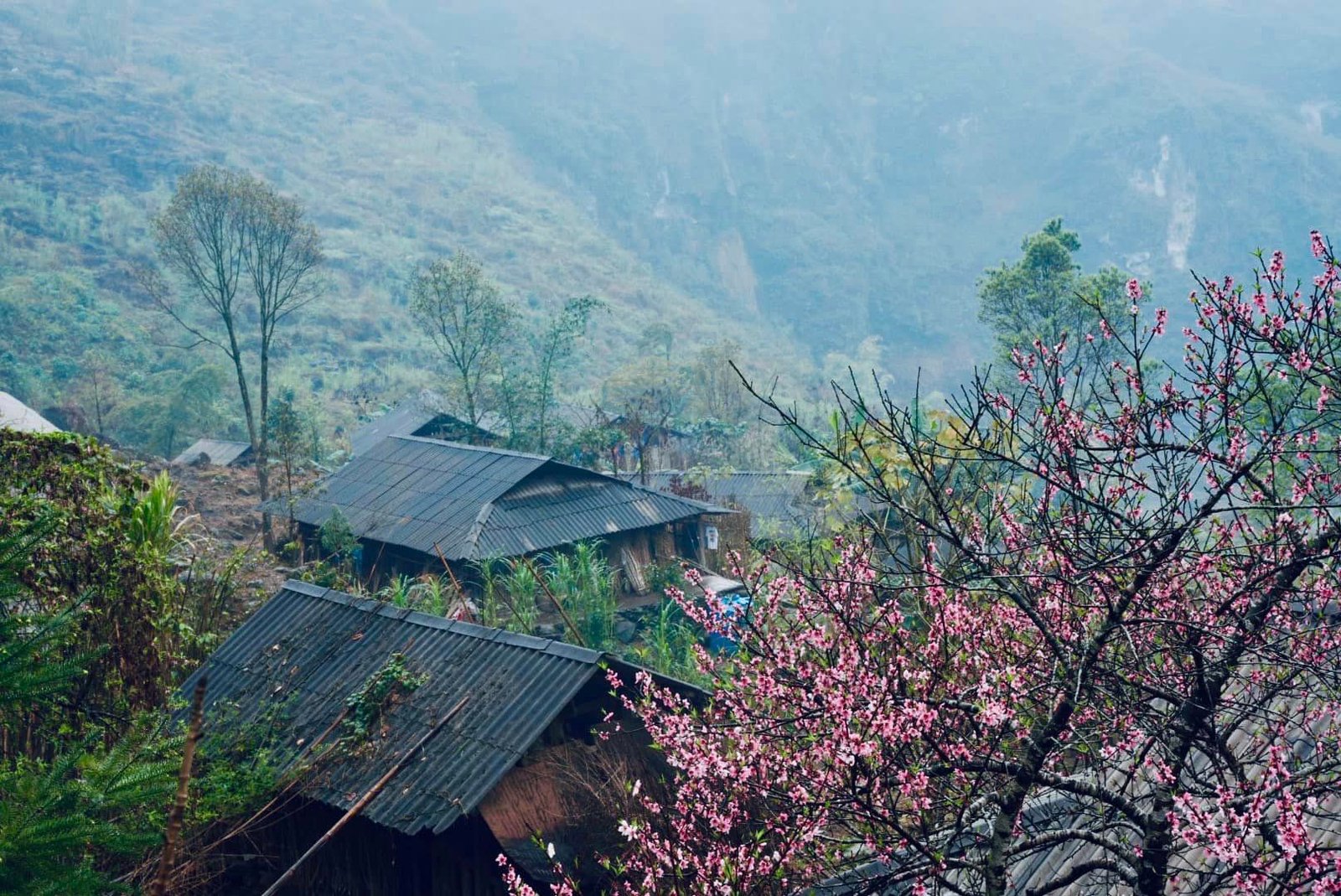
Dong Van Old Quarter
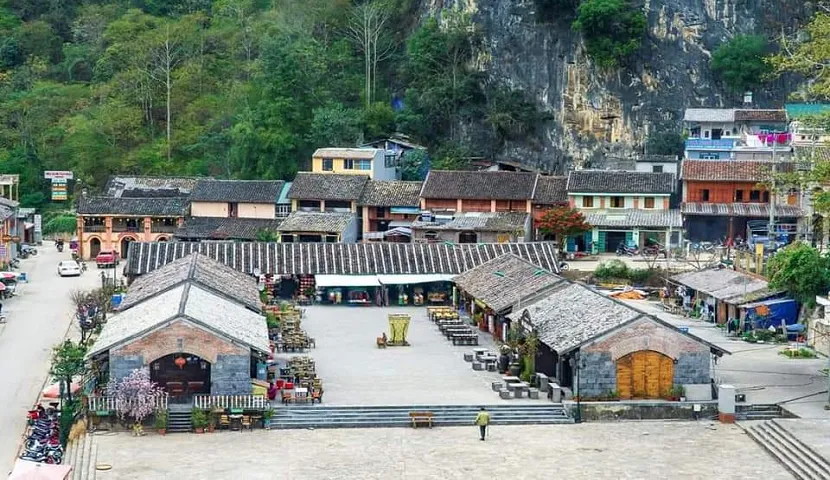
While not exactly a village, Dong Van’s Old Quarter is a vibrant and atmospheric area, especially at night.
-
History & Use: Built during the French colonial era, the old houses now serve as restaurants, guesthouses, and souvenir shops.
-
Market: The weekly Sunday market is one of Ha Giang’s most colorful and diverse, featuring ethnic minority clothing, and even livestock trading.
Essential Tips for Visiting Ethnic Villages in Ha Giang
To ensure a meaningful and respectful experience within these diverse ethnic villages in Ha Giang, follow these key tips:
Stay in an Ethnic Homestay
While simply visiting a local village can be a captivating experience , staying in a homestay with an ethnic family can elevate your trip to one of the most memorable experiences you’ll ever have in Vietnam.
-
Immersion: For a brief moment, you’ll become a part of their community.
-
Activities: Join the family for dinner, observe their daily lives, learn about the tools they use, and even indulge in a traditional herbal bath.
Respect the Local Culture
The ethnic minorities of Ha Giang are deeply rooted in their traditions and can often be reserved or shy. It’s essential to approach their way of life with the utmost respect.
-
Mind Your Steps: Refrain from walking through rice fields just for a photo opportunity. These fields are the community’s lifeline.
-
Photography Etiquette: Always ask for permission before taking photos of people or their property.
-
Dress Code: Opt for more conservative attire to respect local customs.
Explore Beyond the Main Loop and Visit Local Markets
While the villages on this list are located along the popular Ha Giang Loop , don’t limit your explorations to just these destinations.
-
Deeper Experiences: If time allows, venture off the beaten path and just drive around to explore the more remote areas. You’ll be rewarded with some truly authentic experiences.
-
Local Markets: One of the most engaging ways to interact with the ethnic communities is to visit local markets. Typically held weekly, these markets draw people from various ethnic groups in the surrounding villages , becoming a vibrant and colorful gathering where community members socialize, trade goods, and celebrate their distinct cultures.
Final Embrace Your Cultural Adventure with Anans Home Ha Giang
If you thought Ha Giang was only about magnificent mountains, you have only seen half the picture. The other half—warm, peaceful, and colorful—awaits you in every small village here.
Slow down your pace, visit the ancient clay houses, share a simple local meal, and listen to the rhythm of life of the people who have been attached to this land for generations.
Anans Home Ha Giang is your dedicated partner for this cultural journey.
-
Tour Arrangements: We organize comprehensive tours (Easy Rider and Car options) that integrate visits to these important ethnic villages in Ha Giang safely and respectfully.
-
Accommodation: Start your adventure with us! We provide comfortable accommodation in Ha Giang city and can help arrange authentic, vetted homestays in villages like Du Gia or Nậm Đăm to maximize your cultural immersion.
-
Logistics: We handle all transfers and luggage storage, ensuring your journey focuses entirely on the experience.
Book your culturally rich Ha Giang Loop tour and accommodation with Anans Home Ha Giang today, and discover the true soul of Northern Vietnam.

0 Comment