If you’re planning to explore the breathtaking landscapes of northern Vietnam, knowing the Ha Giang weather is essential. Ha Giang’s climate changes beautifully across the year — from misty winter mornings to golden autumn terraces and lush green summers. Understanding the weather will help you decide when to visit, what to pack, and how to experience this mountainous paradise comfortably.
Overview of Ha Giang Weather
Ha Giang, located in Vietnam’s northernmost region, enjoys a tropical monsoon climate with two main seasons:
Dry season: October to April
Rainy season: May to September
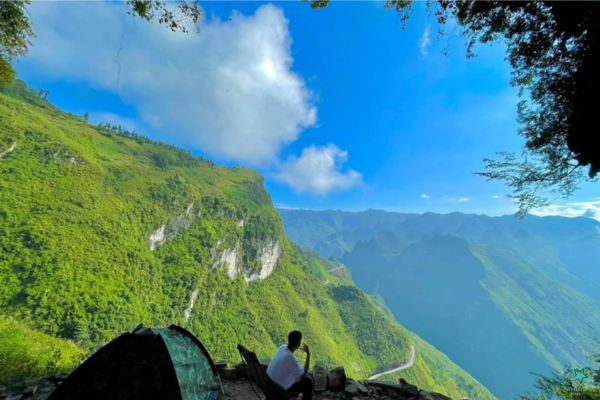
Because of its high elevation and winding mountain passes, the weather in Ha Giang can vary dramatically between valleys and peaks. You might experience cool breezes in Dong Van while the lower areas of Quan Ba remain warm and sunny.
Despite these fluctuations, Ha Giang is stunning year-round. Every season brings a new atmosphere — golden fields in autumn, wildflowers in spring, green terraces in summer, and foggy mountain views in winter.
Ha Giang Weather by Season
🌸 Spring (March–May)
Spring is one of the most beautiful times to visit Ha Giang.
Temperature: 15°C to 25°C (59°F to 77°F)
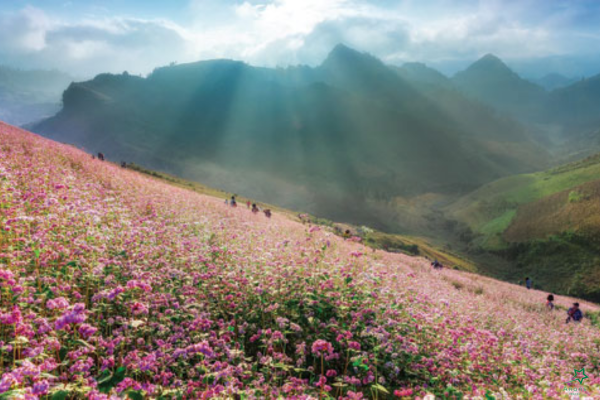
Conditions: Mild and pleasant, low rainfall, blooming flowers everywhere. Villages come alive with peach and plum blossoms, while farmers begin planting rice in the terraces. This is also festival season for ethnic groups such as the H’mong and Tay, making it a wonderful time for cultural exploration.
☀️ Summer (June–August)
Summer in Ha Giang brings both heat and rain.
Temperature: 22°C to 34°C (72°F to 93°F)
Conditions: Warm, humid, and occasionally rainy. During these months, Ha Giang weather is at its greenest — rice paddies glow with lush growth, waterfalls flow strongly, and the countryside feels alive. However, you should expect short tropical downpours, especially in July and August. For safety, car travel is recommended if you’re not confident riding a motorbike in wet conditions.
🍂 Autumn (September–November)
This is the peak season for Ha Giang travel.
Temperature: 18°C to 27°C (64°F to 81°F)
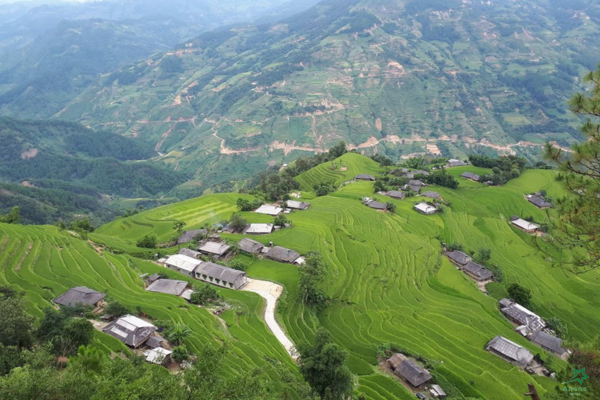
Conditions: Cool, dry, clear skies, and breathtaking views. Autumn brings golden rice terraces, harvest festivals, and crisp mountain air. Photographers, motorbike riders, and trekkers all consider this the best period to experience the Ha Giang Loop.
Autumn in Ha Giang
❄️ Winter (December–February)
Ha Giang’s winter can be surprisingly cold.
Temperature: 8°C to 20°C (46°F to 68°F), sometimes dropping below 5°C (41°F) in high altitudes.
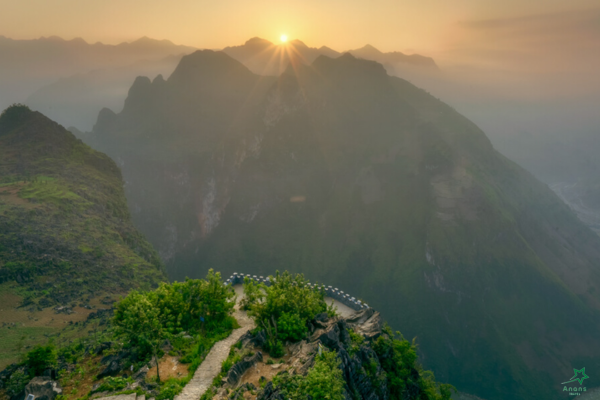
Conditions: Foggy mornings, chilly evenings, little rain. Despite the cold, winter adds a serene, mystical atmosphere to the mountains. Mist drifts over limestone peaks, and the quiet roads make it a peaceful escape for travelers seeking solitude.
Ha Giang Weather by Month
Month
Average Temp
Conditions
January
8–16°C
Coldest month, fog and frost possible
February
10–18°C
Still cool, clear mornings, warmer later in month
March
12–22°C
Start of spring, flowers bloom
April
15–25°C
Comfortable weather, green valleys
May
18–28°C
Warm and dry, pre-summer transition
June
22–32°C
Start of rainy season, lush scenery
July
24–34°C
Hottest month, expect afternoon showers
August
24–33°C
Rain continues but views remain vibrant
September
22–31°C
Cooler, start of harvest season
October
18–27°C
Ideal weather, golden terraces
November
14–23°C
Crisp air, dry and pleasant
December
10–20°C
Chilly, foggy, minimal rain
When Is the Best Time to Visit Ha Giang?
While Ha Giang is worth visiting any time, most travelers agree the best Ha Giang weather is found during:
March to May (spring) – for flowers, greenery, and comfortable temperatures.
September to November (autumn) – for golden rice terraces and crystal-clear skies.
These months provide ideal visibility for photography, enjoyable riding conditions, and comfortable nights for homestays.
That said, even Ha Giang’s rainy season has its charm — the clouds make the valleys glow emerald green, and waterfalls surge beautifully after the rains.
The best time to go to Ha Giang
Tips for Dealing with Ha Giang Weather
Always bring a light jacket. Even in summer, sudden showers or strong winds can occur, especially in high passes like Ma Pi Leng.
Don’t rely solely on forecasts. Mountain weather changes fast. Rain in the morning might turn into sunshine by noon.
Travel by car if you’re unsure. If you prefer comfort and safety, go with a private car tour instead of a motorbike, especially during wet or cold seasons.
Pack for layers. Because of Ha Giang’s elevation changes, temperatures can vary by 10°C or more in a single day. Layered clothing is key.
Embrace the unpredictability. Some of Ha Giang’s most magical moments come after the rain — mist rolling over cliffs, sunlight breaking through clouds, or rainbow-filled valleys.
Why Ha Giang Weather Makes the Journey Unique
Unlike beach destinations that rely on clear skies, Ha Giang’s beauty is enhanced by its ever-changing weather. The way light interacts with clouds, fog, and terraced fields gives the landscape a dynamic, almost cinematic quality.
Each season tells a different story:
Spring whispers renewal.
Summer celebrates abundance.
Autumn shines with harvest glory.
Winter invites peace and reflection.
No matter the month, the weather in Ha Giang shapes experiences — from peaceful tea mornings at a homestay to thrilling drives along misty mountain passes.
Stay comfortably at Anans Home Ha Giang and watch the weather transform the mountains from your window.
FAQ: Ha Giang Weather
Is Ha Giang cold? Yes, Ha Giang can be quite cold in winter, especially in December and January. Bring warm clothing if you visit during these months.
Does it rain a lot in Ha Giang? Rain is common from May to September, especially in July and August. However, rain usually comes in short bursts rather than lasting all day.
Is Ha Giang safe to visit during the rainy season? Yes, but travelers should be cautious of slippery roads. Opting for a guided car tour is a safe choice.
Can I visit Ha Giang all year round? Absolutely. Each season offers different beauty — misty winter charm, green summer valleys, and golden autumn fields.
When is Ha Giang weather best for photography? October and November are perfect for golden terraces and clear light, while March and April bring vivid greenery and blooming flowers.
Final Thoughts
Ha Giang weather defines the rhythm of this remarkable land. Whether it’s the cool winds of winter or the warm rains of summer, every season brings a new side of the province to life.
Instead of waiting for the “perfect” time, embrace the unpredictability — because in Ha Giang, the weather is part of the adventure.



0 Comment